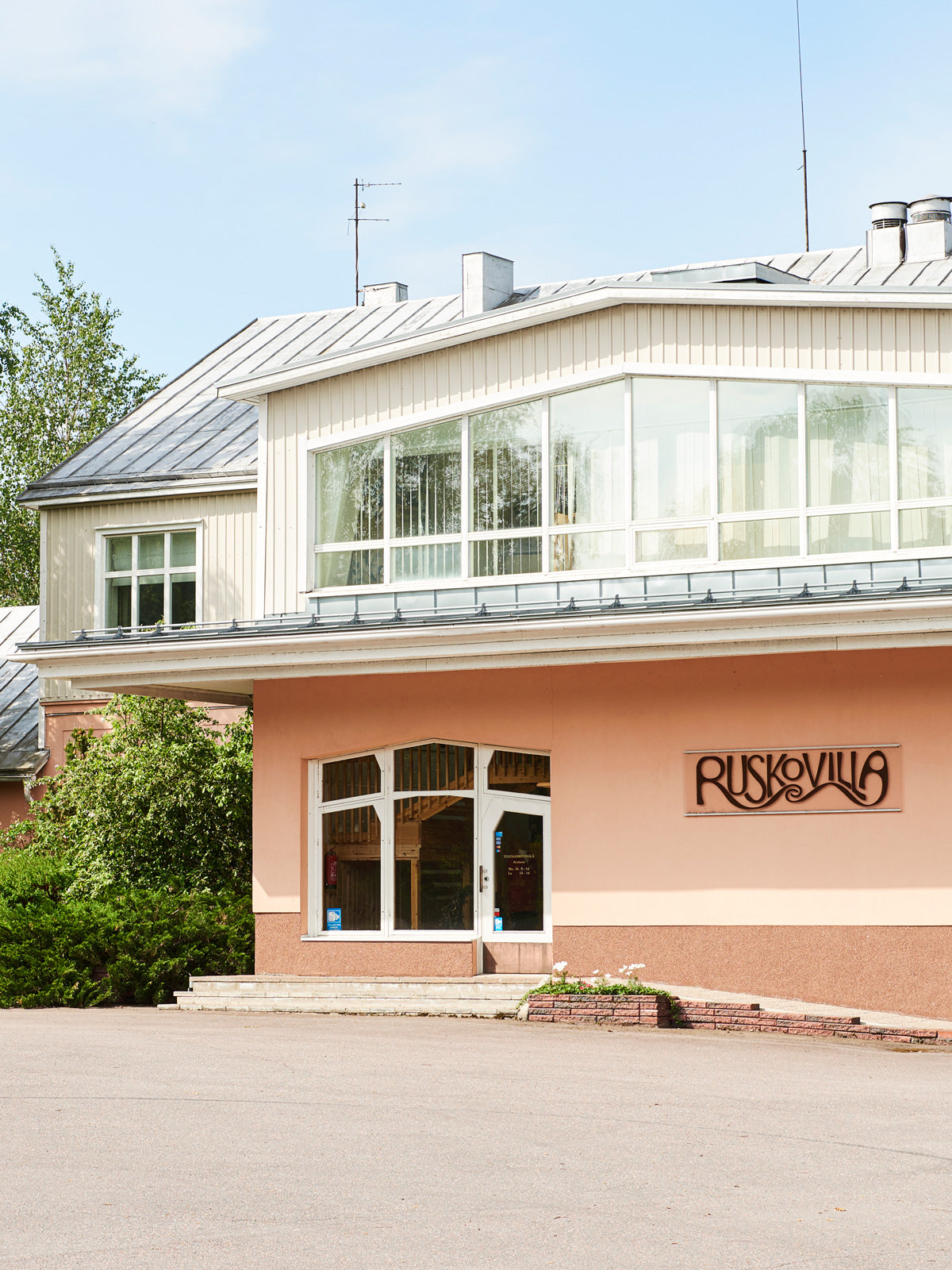
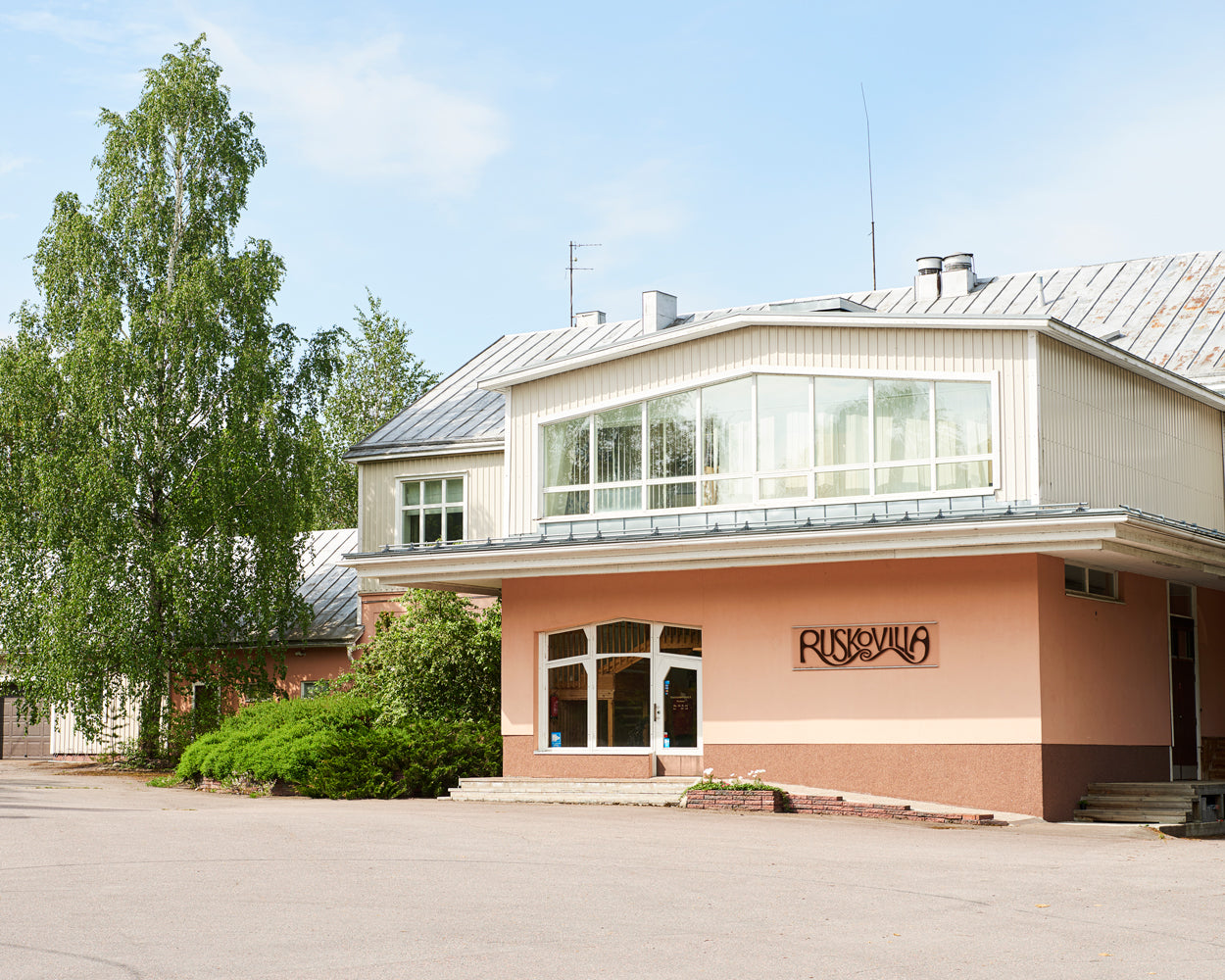
The old dairy in Artjärvi is located in the rural landscape of Päijät-Häme, about an hour and a half’s drive from Helsinki. Within its walls, garments are designed, cut and sewn according to the same values that have guided production for more than forty years.
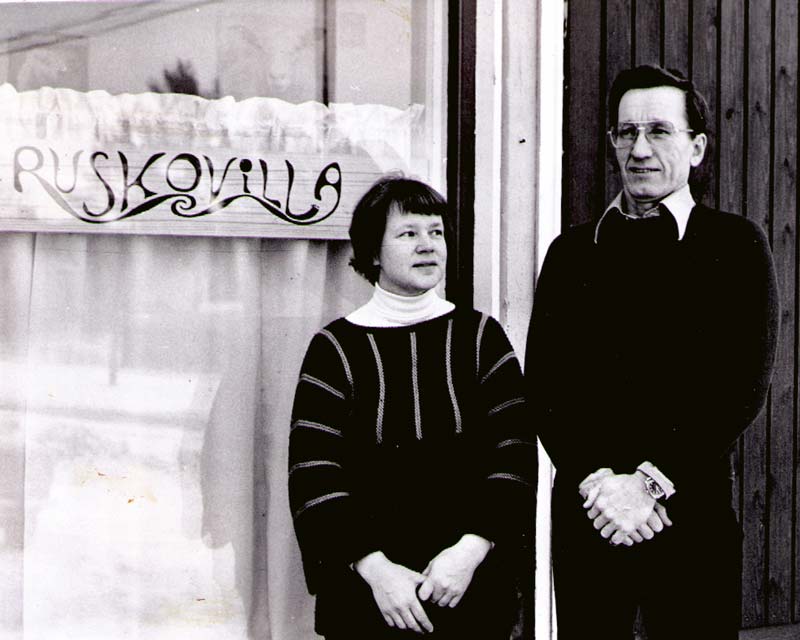
Ruskovilla was founded in 1981. From the beginning, we have sought to take both the wearer and the production chain into account: natural fibres have been chosen as the materials, and manufacturing has been kept as close as possible, in Finland.
Now European legislation is moving the textile industry toward more transparent product information. The Digital Product Passport is an upcoming requirement related to the EU Ecodesign Regulation, with the aim of making product-specific information easier to access and verify. In the future, the product passport can be used to share information such as where the material comes from, where the product was made, what information is provided on the product’s durability, repairability and care, and what can be done with the product at the end of its life.
For Ruskovilla, this is not a new direction, but an opportunity to make visible things that have been important to us from the very beginning.

From Artjärvi to the world – organic-certified natural fibres and Finnish manufacturing as a competitive advantage
Ruskovilla’s factory, head office and warehouse are all located under the same roof. This is a deliberate choice for us: when design, most of the manufacturing and storage take place nearby, the supply chain remains easy to manage and quality can be closely monitored.
Ruskovilla is a pioneer in the use of organic materials in Finland. We use organic-certified natural fibres in our garments: merino wool, silk and silk-wool. Organic cotton is also used, for example, in lining materials and home textiles.
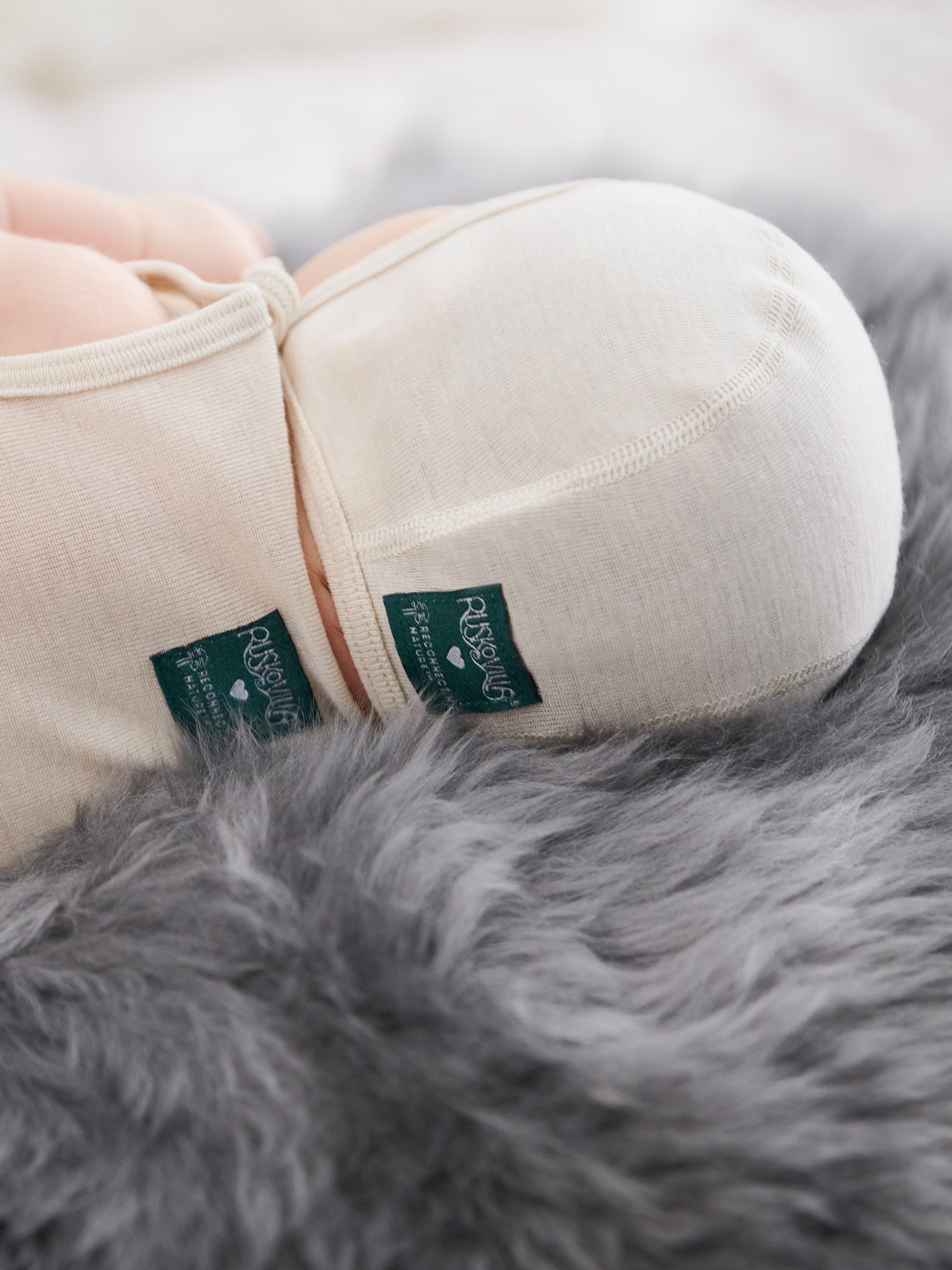
The dyeing and finishing of the yarns are carried out using methods approved for the production of organic textiles. Finished products are not treated with mothproofing agents or separate finishing treatments. Ruskovilla products made in Finland from design to finishing can be identified by the Avainlippu, or Key Flag, symbol displayed with the product.
What does the Digital Product Passport mean for the customer?
The Digital Product Passport brings product-specific information together in one place. In practice, in the future, a customer will be able to scan a QR code on the product and see information such as the origin of the fibre, certifications, and where the product was designed and made.
The same place will also include care instructions that help keep the product in use for as long as possible when cared for correctly.
This matters to customers who want to know what a garment is made of, where it was made and how to care for it.

Technology supporting the sharing of product information
The Digital Product Passport is an upcoming requirement, but it is also a practical tool for collecting and sharing product information. It allows essential information related to materials, manufacturing, care and the product life cycle to be presented clearly and consistently in one place.
With the help of the product passport, customers can find answers to many questions, such as:
- “Where was the garment made?”
- “Where does the wool come from?”
- “How should the garment be cared for?”
- “How can its lifespan be extended?”
- “What can be done with the garment when it reaches the end of its use?”
Technology makes it possible to share the information required by the Digital Product Passport in a way that is easily accessible and understandable for both the company and the customer.
Collaboration with Ovido
Ruskovilla has piloted the Digital Product Passport with Ovido and is now moving toward implementation. The goal is to introduce the product passport in phases during 2027.
Ovido supports Ruskovilla in collecting and maintaining product information so that it stays up to date as requirements evolve. In practice, this means that information about materials, production and certifications can be brought together in one place instead of being stored across separate systems and documents.
When the information is held in a shared structure, it is easier to update and use in different places: in internal processes, in the online store and, in the future, in customer-facing product passports.

More than forty years guided by the same values
What has always mattered to Ruskovilla remains the same: carefully selected natural materials, quality, respect for Finnish manufacturing and products designed for timeless use.
The Digital Product Passport makes this work more visible. It helps customers understand what the product is made of, where it was made and how to care for it, so that it can remain in use for as long as possible.
The walls of the old Artjärvi dairy have witnessed decades of Finnish textile expertise. Now this work is gaining a new digital form that travels with the product and makes the product’s life cycle more visible and easier to understand.
From wool to passport. The story of Finnish craftsmanship, made visible.
Read more about Ovido