Sustainability at Ruskovilla
The way we make our clothes has been guided by the same principles since 1981. At the heart of our work are our own production in Artjärvi, natural fibres and long-standing partnerships throughout the different stages of material sourcing and production.
During 2026, we have complemented our existing practices by gathering more detailed information about product origins, supply chains and impacts on nature. We want to be as open as possible about where, how and from what our products are made.
Our own production in Artjärvi, Finland
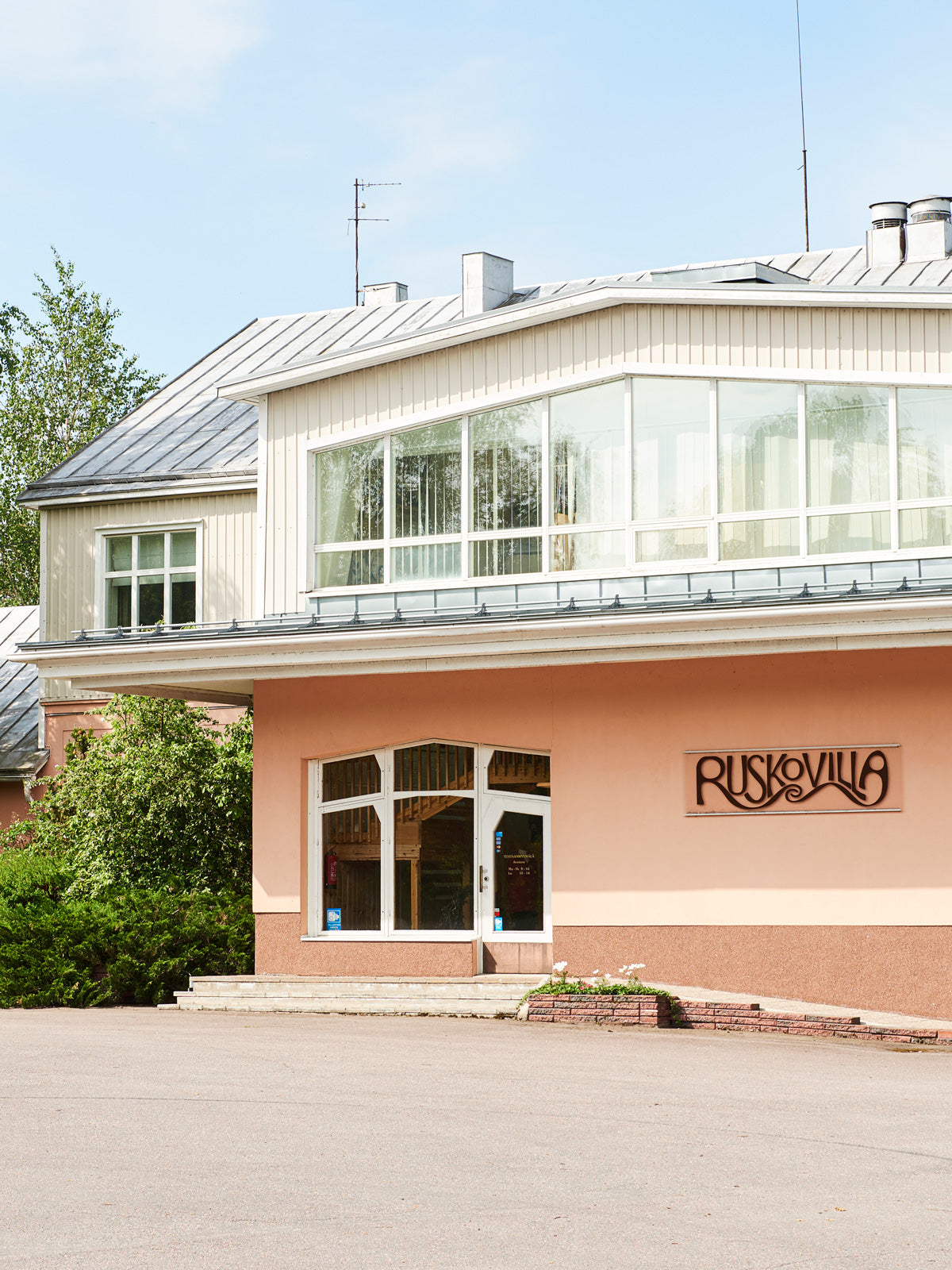
All our clothing and nearly all our accessories are made at our own factory in Artjärvi, Finland. In 2026, 92% of our product range is made in Finland, and 94% of these products are made at our own factory in Artjärvi.
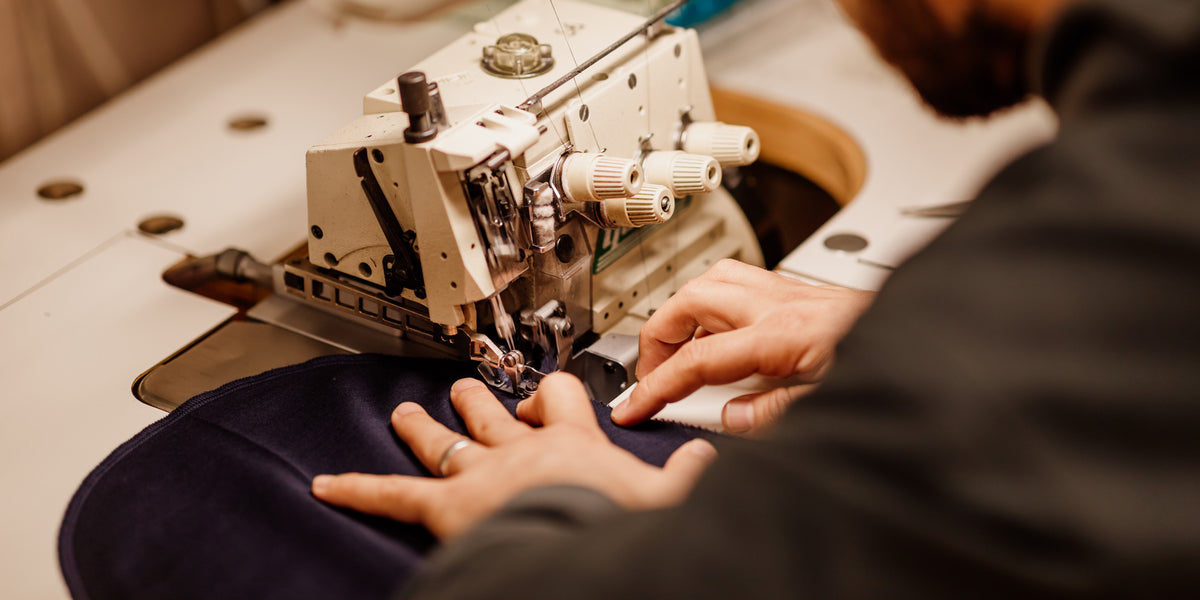
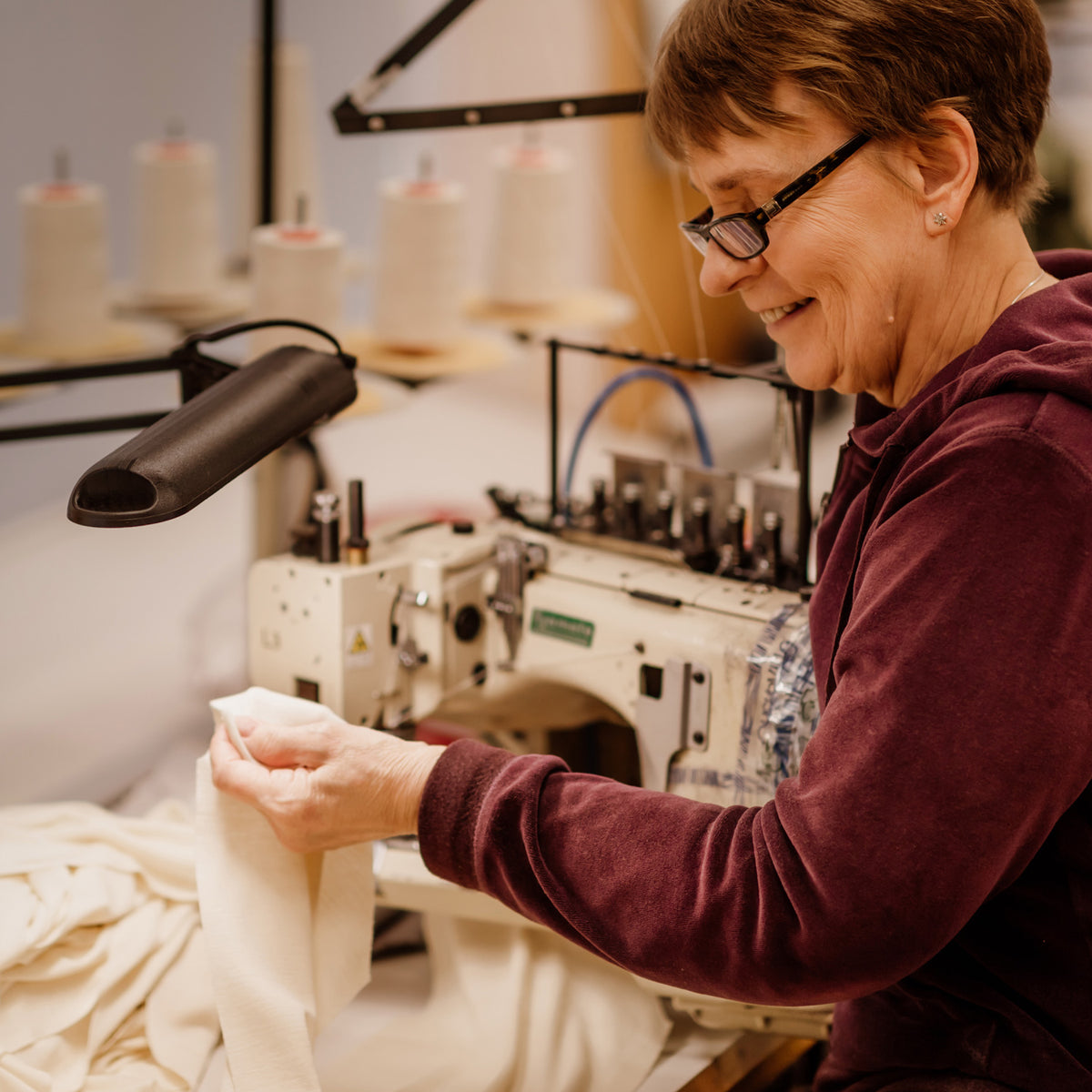
Our own production has been at the heart of Ruskovilla since 1981. Our Artjärvi factory employs 21 textile professionals. We design, cut, sew, finish, inspect and pack our products ourselves. All our products are stored and dispatched from Artjärvi.
Making our products ourselves means that we know the different stages of production and the people behind them. It allows us to plan production flexibly, make smaller batches when needed and monitor quality throughout the manufacturing process. At the same time, we help maintain textile-industry jobs and expertise in Finland.
Taking responsibility for our own production also means taking responsibility for the work and working conditions at our factory. Our team includes textile professionals of different ages, and long careers with Ruskovilla are common. Some employees have chosen to continue working part-time after retirement. Our employees are salaried and have flexible working hours.
Having our own factory also allows us to influence how energy is used. Our production, warehouse and retail premises in Artjärvi are heated using geothermal energy. LED lighting and heat recovery from ventilation also support energy efficiency.
You can find the country of manufacture for each product on its product page. Our products made in Finland have been awarded the Key Flag Symbol.
Explore how our products are made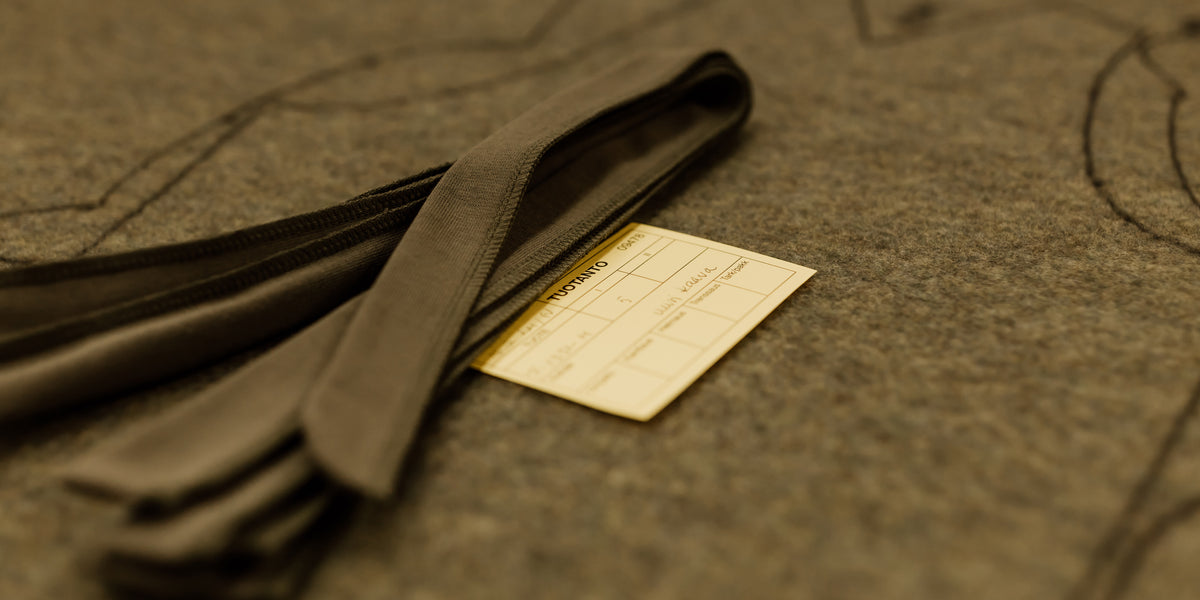
Certified organic natural fibres at the heart of our material choices
Natural fibres have been the starting point for Ruskovilla products since the company was founded. Our main materials include certified organic merino wool, wool fleece, silk, silk wool and cotton.
Organic certification sets requirements for raw-material production and provides independent verification. The certified organic merino wool we use is mulesing-free and comes from Argentina and Uruguay. Our wool fleece is also made from 100% certified organic merino wool. Our silk wool contains 70% certified organic merino wool and 30% natural silk. Our certified organic silk comes from China.
We have also made specific choices about how materials are treated in our own production. For example, our wool products are not treated with chemical mothproofing agents.


Long-standing Partners in Finland and Around the World
Not all materials can be produced in Finland, and not every stage of production can be carried out at our own factory. That is why we work with partners both in Finland and internationally. Many of these relationships have continued for years.
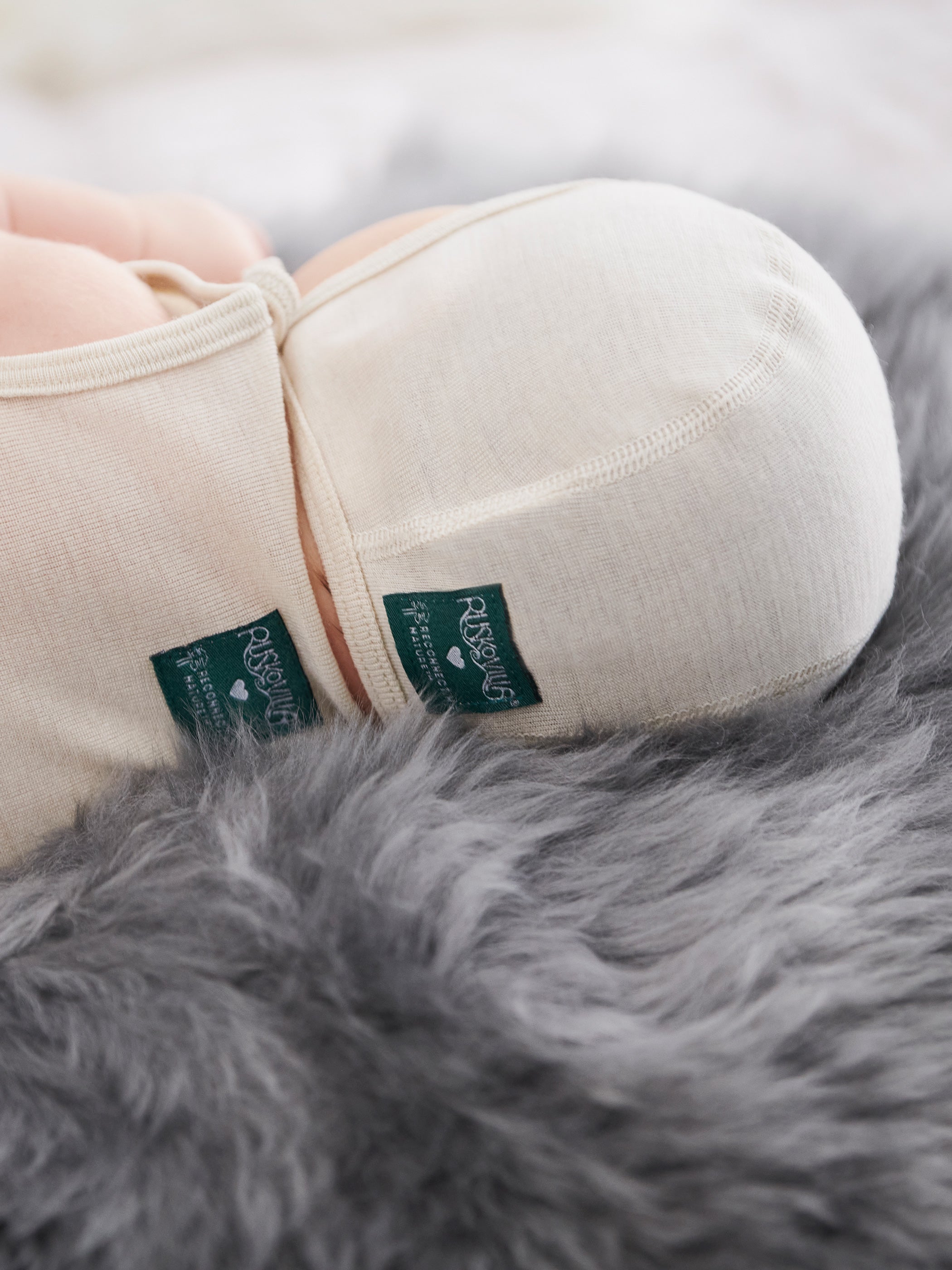
We also want to understand the stages of production that take place outside our own factory as well as possible. For example, we have visited primary silk production and the factory of our long-standing partner that makes our baby silk bonnets in China, as well as our sheepskin manufacturer in New Zealand.
Since 2026, we have also been gathering more detailed product-specific information about our supply chains as part of our work on digital product passports.
As part of building our digital product passports, we have documented our supply chains in greater detail, including the origins and manufacturing stages of our key materials and the components and trims used in our own production. Product-specific information about materials, origin and manufacture can be found on our product pages. More detailed information about each product’s journey is being compiled into digital product passports, which are being introduced gradually from autumn 2026 onwards.
Read more about digital product passportsOur partner network
In addition to our own factory in Artjärvi, a network of partners in Finland and around the world is involved in manufacturing our products, materials and components.
In Finland, our partnerships cover everything from knitting and product manufacturing to packaging materials and the further use of materials generated in production. We work with international partners particularly for materials and products that are not manufactured in Finland.
Below you can find some of our key partners and their roles in our supply chain. The list does not include every individual material and component supplier. For commercial reasons, we do not name all our suppliers, but we provide as much information as possible about material origins and key manufacturing stages on our responsibility and material pages and on individual product pages. More detailed information about each product’s journey from raw material to finished product is being added to our digital product passports as they are introduced.
OUR PARTNERS IN FINLAND
- Orneule Oy, Orivesi – knits our merino wool and silk wool fabrics from our yarns
- Agtuvi Oy, Tampere – makes our fingerless gloves and gloves from our yarns
- Sidoste Oy, Tampere – makes our socks from our yarns
- FabPatch Oy, Oulu – makes our clothing repair patches from our silk wool fabric
- Dafecor Oy, Turenki – helps us process and find further uses for production side streams
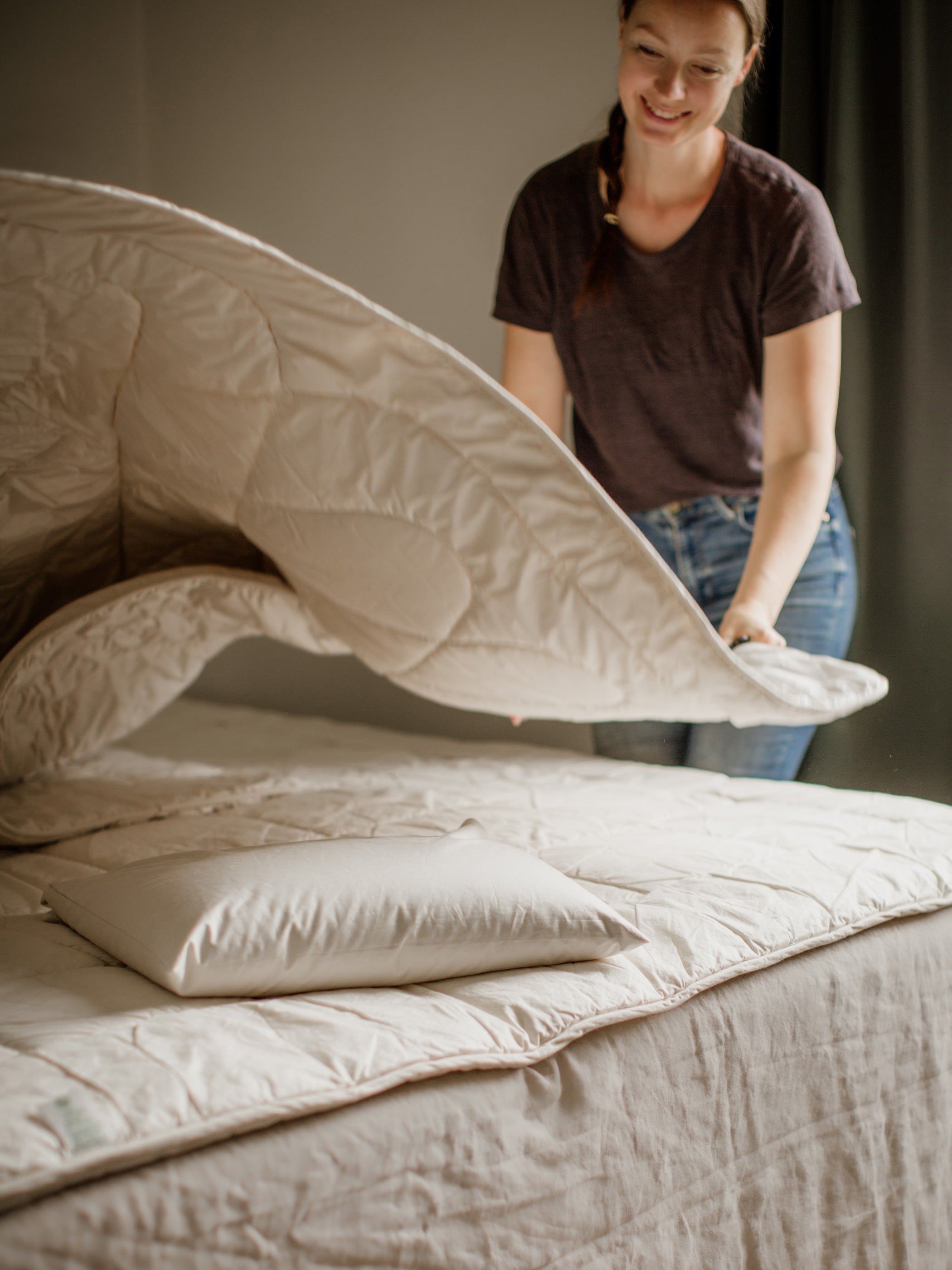
- Laatupeite Oy, Tampere – makes our wool-filled bedding
- Pirtin Kehräämö Oy, Hiirola – spins our handicraft yarn
- Tuotenauha Oy, Lahti – supplies the cotton care labels and logo labels used in our products
- Amerplast Oy, Tampere – supplies the product bags used for our products
We also work with other Finnish material, component and production partners. Product-specific information is being added gradually to our product pages and digital product passports.
OUR PARTNERS AROUND THE WORLD
- Classic Sheepskins makes our sheepskins designed especially for childcare in Napier, New Zealand
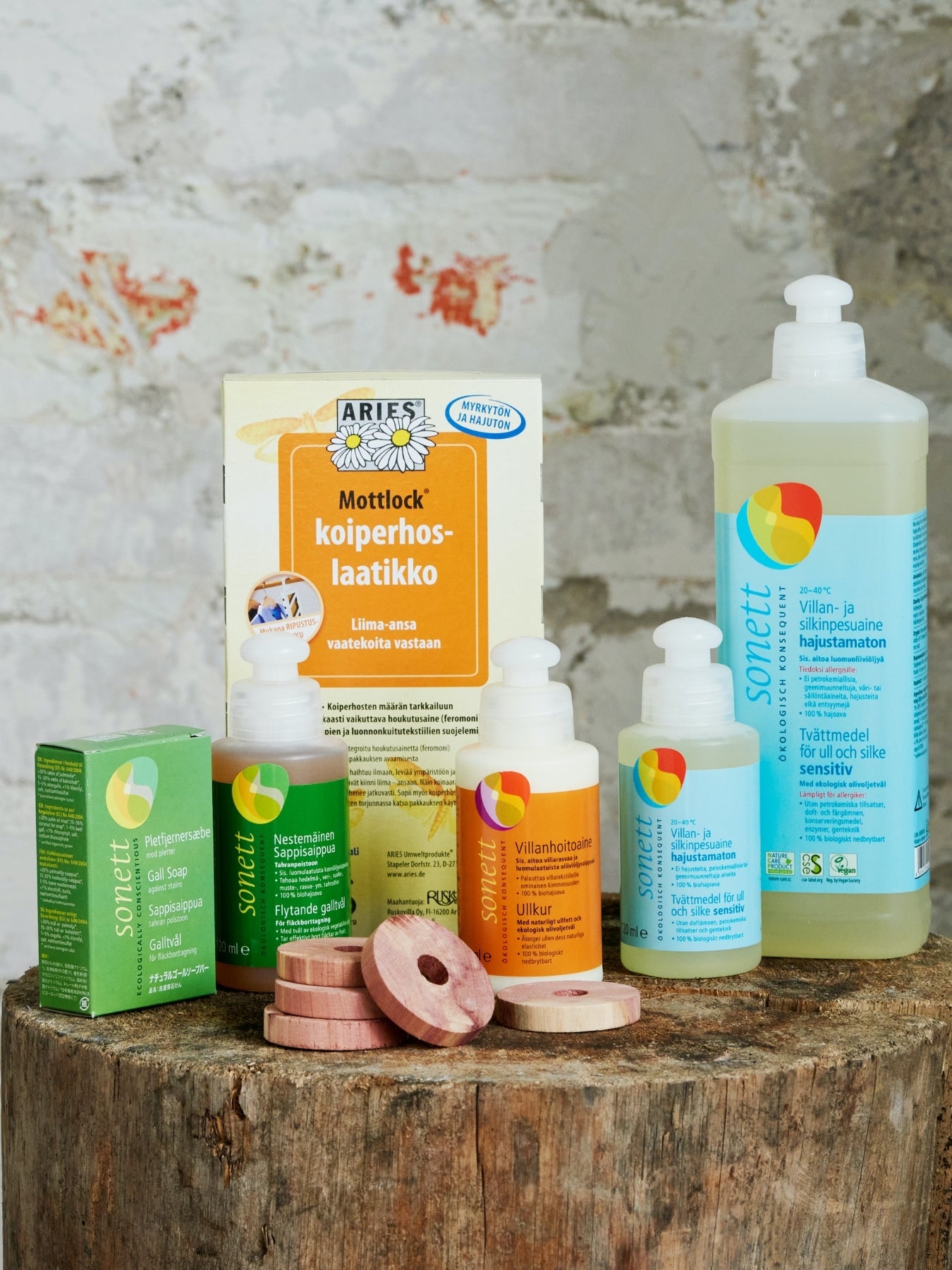
- Sonett makes the wool and silk detergents and care products in our range
- Our silk bonnets are made by our long-standing partner in China
- Our yoga mats and bolsters are made by our long-standing partner in Lithuania
- Our certified organic cotton muslin cloths for babies come from India

Measuring impacts on nature
A material’s origin or certification alone does not tell the whole story about its impacts on nature. That is why we have assessed the biodiversity footprint of Ruskovilla merino wool products using life-cycle assessment in collaboration with LAB University of Applied Sciences and LUT University as part of the LUONTOLAS project.
A biodiversity footprint looks beyond the carbon footprint to examine impacts on biodiversity. The assessment considered impacts on terrestrial, freshwater and marine ecosystems, as well as the factors behind them, including land use, climate change, water use and eutrophication.
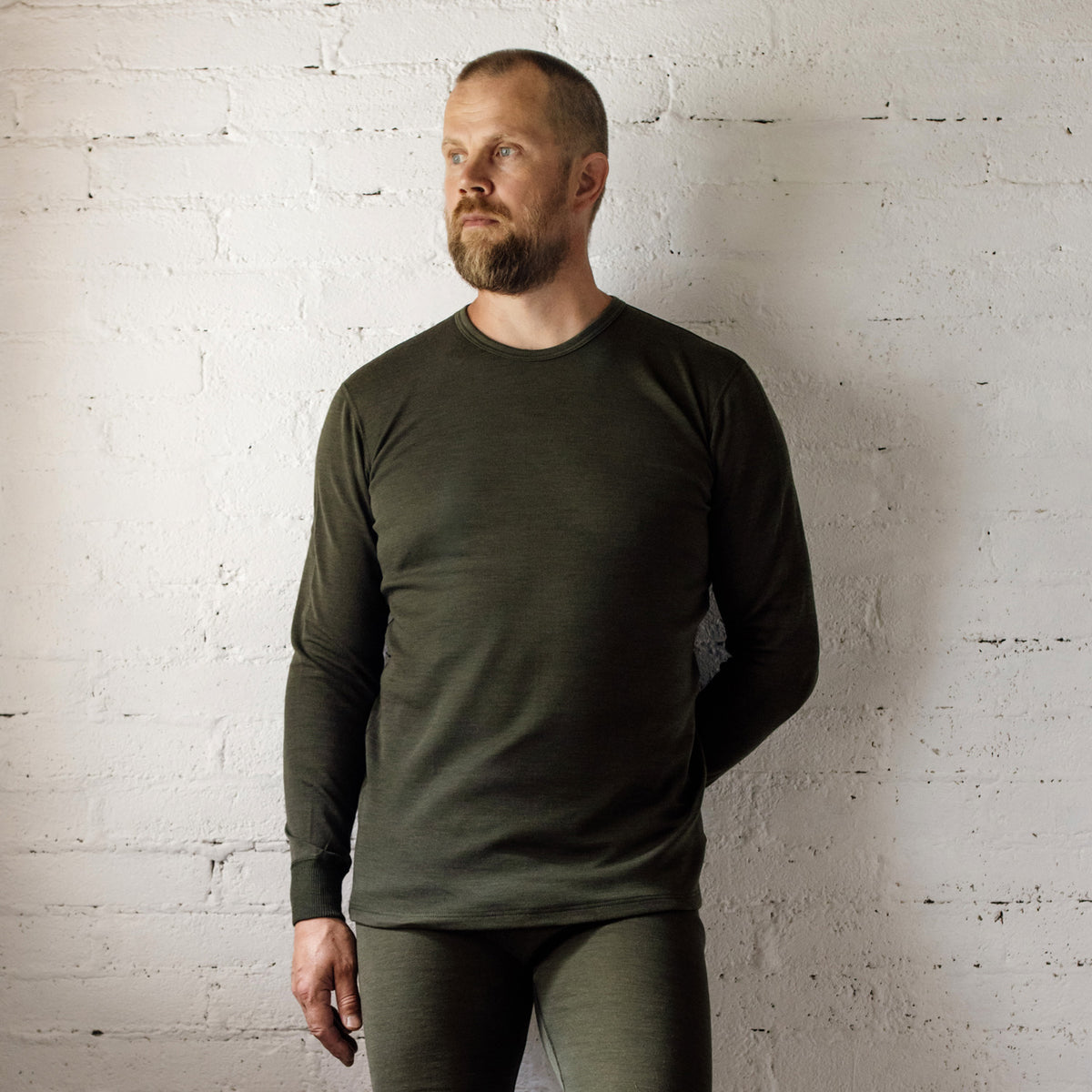
The biodiversity footprint of merino wool
The assessment examined the impacts on nature associated with Ruskovilla merino wool fabric and products made from it, from primary wool production through material and product manufacturing to the use phase.
Based on the results, the biodiversity footprint of a merino wool top was calculated as an example product according to its weight. The same calculation method can also be used to estimate the impacts of other products made from the same fabric. Primary wool production was clearly identified as the largest source of impacts on nature.
As part of the assessment, the certified organic Argentinian merino wool used by Ruskovilla was compared with conventional Australian merino wool. In this comparison, the calculated biodiversity impact of the certified organic merino wool was approximately 90% lower across the life cycle assessed than that of the conventional Australian merino wool.
The comparison was based on data from two specific production regions, and the result was influenced particularly by differences in the biodiversity impacts of land use in those regions. The result therefore cannot be generalised to all organic and conventional merino wool. The comparison is indicative and is also subject to uncertainties in the calculations.
The assessment gives us more detailed information about where the impacts on nature associated with our merino wool products come from and how factors such as material origin can affect them. It also encourages us to continue developing ways to keep products in use for as long as possible.

Care and repair are part of a product’s life
A product’s impacts on nature do not end when manufacturing is complete. Careful maintenance and appropriate storage can help extend a product’s useful life, which is why we provide detailed washing and care instructions for our different materials.
Wool garments in particular usually do not need to be washed after every wear. Airing is often enough to freshen them up. We also provide guidance on how to store and protect textiles made from natural fibres.
A small hole or a worn area of fabric does not necessarily mean the end of a product’s useful life. Our range includes repair yarn, clothing repair patches and wool fleece patches for mending and repairing garments. Repairing a worn or damaged area can help keep the product in use.

We will continue documenting our supply chains, assessing impacts on nature and developing practices that support long product lifespans. We will update this page as new information becomes available.
From our blog
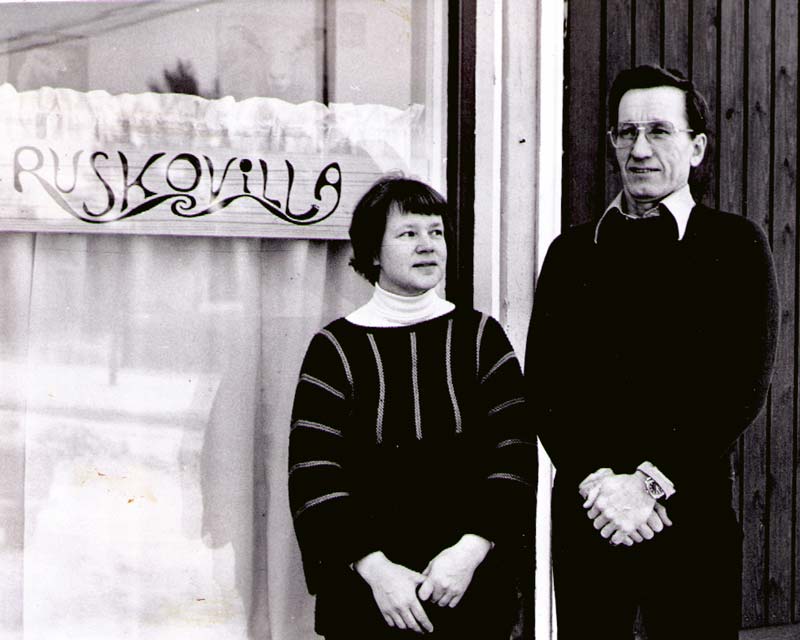
Warmth from Natural Fibres for 45 Years – A Message from Ossi Näkki, Managing Director
To celebrate our 45th anniversary, we're taking a look back at 1981, when it all began, as captured in the photograph above. Managing Director, Ossi Näkki, reflects on his journey with Ruskovilla a...

From natural fibre to product passport – Ruskovilla makes Finnish quality visible
The Digital Product Passport will make product information more visible. For Ruskovilla, it offers a new way to share information about natural fibres, Finnish manufacturing and garment ca...
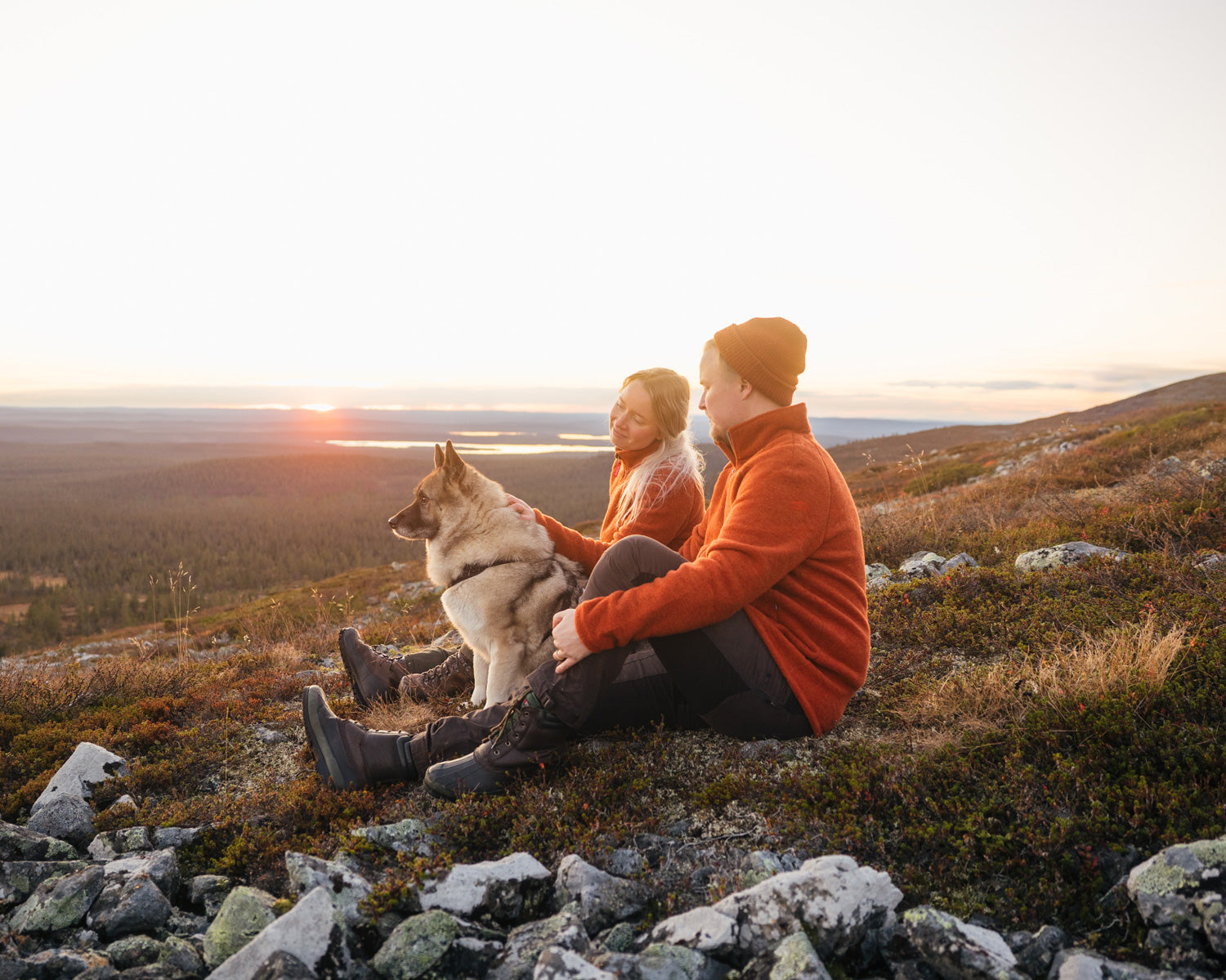
When Ruskovilla was founded in 1981, the world was a very different place than it is today. Even then, there was growing concern about the increasing strain on nature and the unsustainable producti...